 Australian Labradoodle
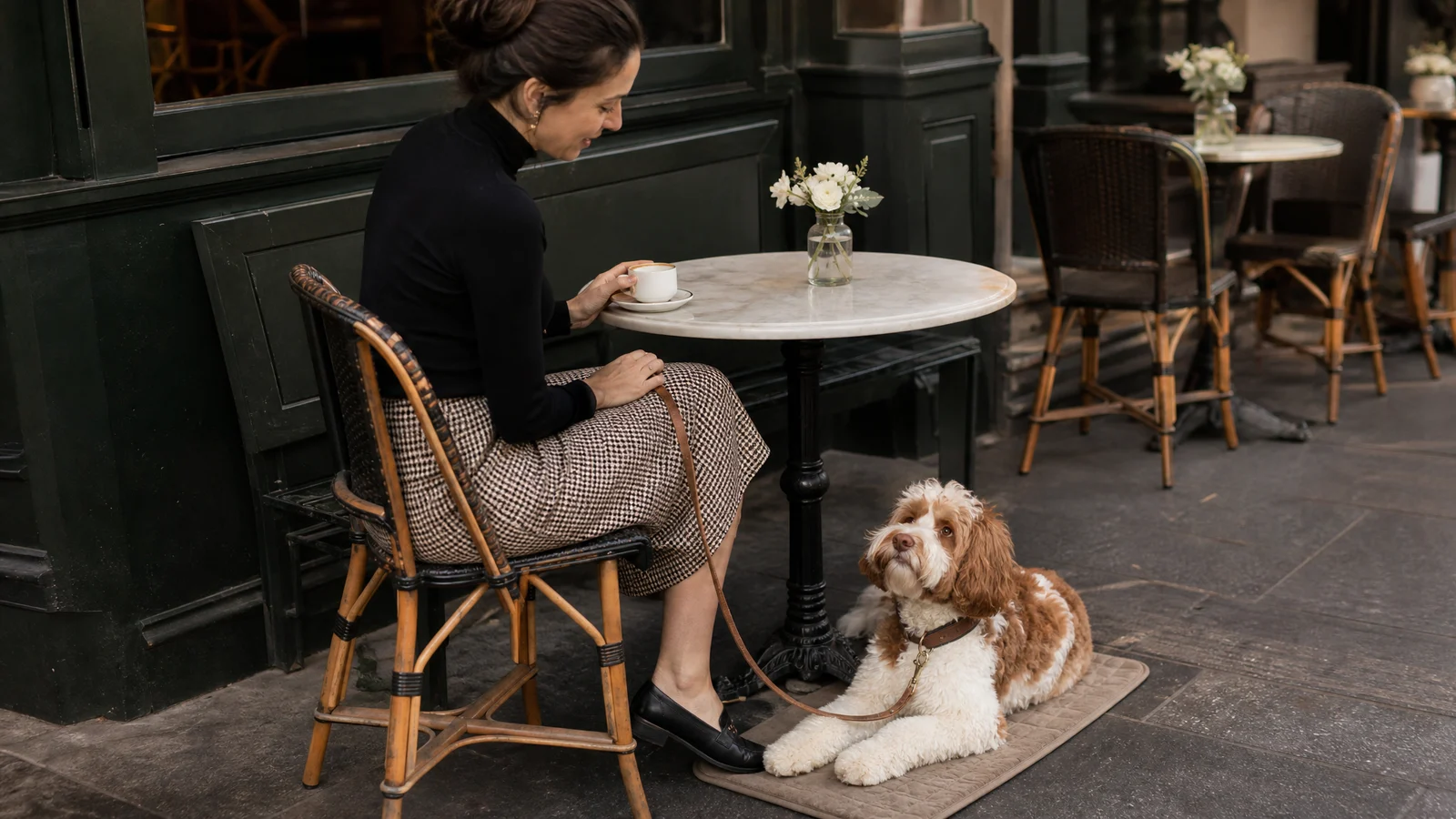
Why won't an Australian Labradoodle ever just relax? The usual answer, tire them out with more exercise, falls short for a dog built from two breeds that were made to stay keen and engaged. A longer walk often hands you a fitter dog who is ready for round two.
Rest is a skill, and you teach it with a mat, a pocket of treats, and steady repetition. We have trained this breed for many years and specialize in their behavior, so we know the method holds whether your dog lands on the smaller or larger side of medium.
In this article, we'll go through the instincts behind constant readiness, the way socializing teaches calm around company, the mat steps themselves, and how to stretch settle time around family life, guests, and the teenage months.
Australian Labradoodle Energy and Socializing Arousal
The Australian Labradoodle descends from two breeds with long working histories, and both show in the way they move through a day. On the Labrador side, energy and playfulness each score 5 of 5, which points to a body that wants to go. On the Poodle side, mental stimulation needs also score 5 of 5, which points to a brain that wants a job as well.
Combine the two and the result is a dog who stays switched on. Even when their legs are tired, their mind keeps scanning for the next thing to do.
The Poodle side also rates 5 of 5 for watchdog nature, so many of these dogs track every sound and movement in a room. That readiness is why a dog can lie on the floor and still be working, with head up, ears forward, and a body set to launch the moment someone stands. Nobody has to teach a dog to be ready, and nobody teaches rest by accident.
Hard workouts build fitness, and a fitter body raises the bar for what counts as tired, so exercise alone rarely produces a settled evening. Keep the walks and brain games, then add rest practice as its own daily job. For more on how the bounce and the brains fit together, read about Australian Labradoodle temperament.
Why Does Socializing Make Rest Hard?
Socializing is usually described as meeting lots of people and dogs. For this breed, the more useful question is what your dog does while meeting them.
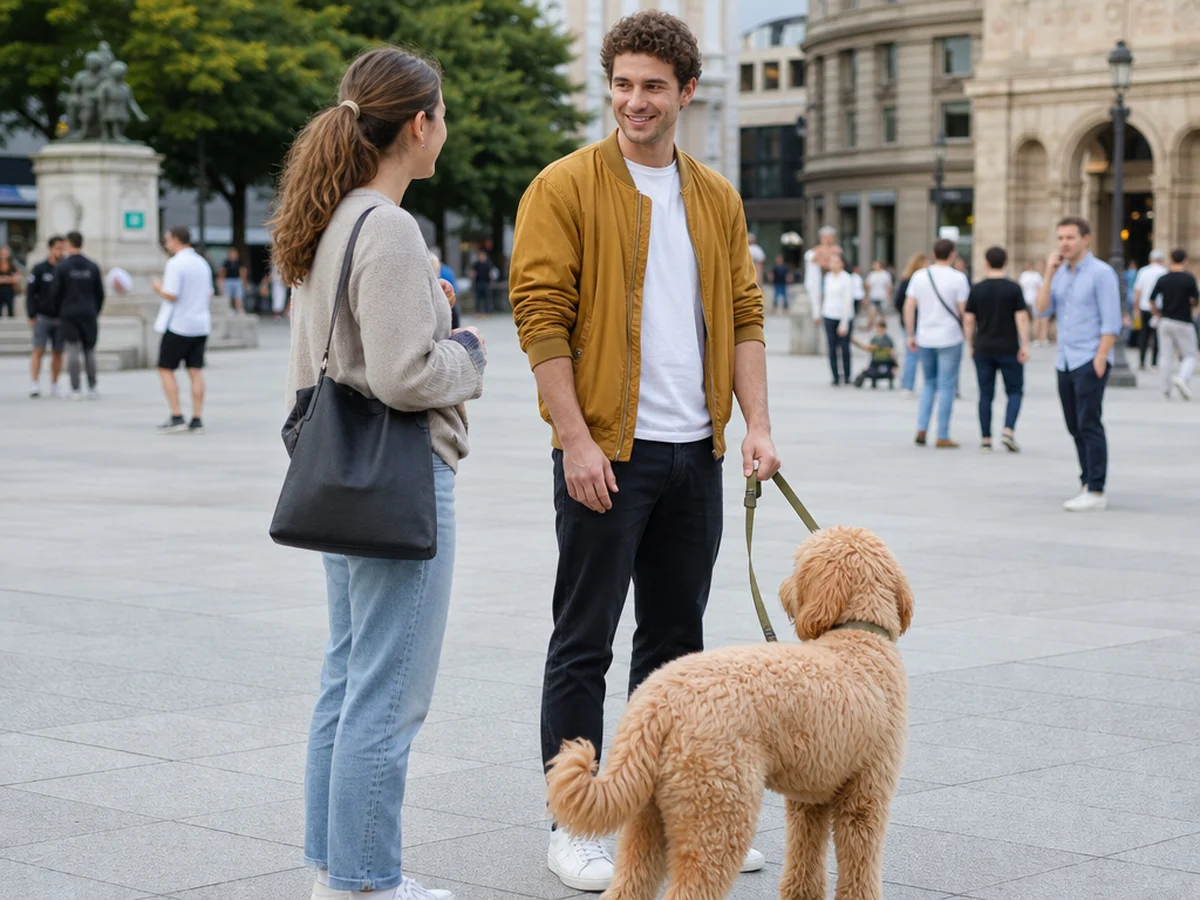
Labradors and Poodles each score the top mark, 5 of 5, on openness to strangers, so every new face looks like a party, and a dog who learns that people mean bouncing will keep bouncing. Each time your dog sees a person, a dog, or a busy room and gets paid for staying low, they learn that stillness is a normal way to be around company.
Start with the quietest versions, like a bench at the edge of a park. Pay for any relaxed moment while life goes by.
Keep outings short and end them before your dog frays. Arousal habits get set by whatever repeats, so socializing keeps mattering through puppyhood, adolescence, and adulthood instead of closing after one early window. Done well, outings become rest practice with scenery, and your dog learns that the world is interesting but never an emergency.
Medium Size and Socializing Settle Rules
Size in this cross varies, and the parent breeds show why. A Miniature Poodle is 15 inches or under at the shoulder and taller than 10 inches, while a Standard Poodle stands over 15 inches, so a medium dog may lean toward either depending on what they inherited.
Size changes strength and stamina, not the rules. A heavier dog and a lighter one settle for the same reasons and get paid the same way.
Adjust the tools, not the plan. Pick a mat big enough for your dog to stretch out fully, scale treats to their body, and choose a heavier mat and sturdier chews for a larger dog. If your dog arrives at outings already hauling on the leash, practice Australian Labradoodle loose-leash walking alongside settle so the first minute is calmer.
A Portable Mat for Socializing Breaks
Pick one non-slip mat or folded towel and make it the only place this game happens. Because the mat travels, the same cue works on a friend's porch, a patio café, or a sideline. Decide on the final picture, then teach it in small rewarded steps.
- Drop the mat at home and reward any look, sniff, or paw toward it until your dog heads there on their own.
- Once all four paws are on the mat, pay again before they step off.
- Wait for a sit or a down and pay on the mat, saving your best treat for a hip roll or an elbow drop.
- Build duration by feeding, pausing a breath, and feeding again, stretching the pauses a little at a time.
- Add a cue word like "settle" only once your dog lies down reliably, and end every round with a release word.
Pay the relaxing signs, not just the position: lying down, a hip roll, a long exhale, a chin on the paws, soft eyes. Drop treats at floor level so your dog stays flat to eat, and keep your voice low because bright praise winds this breed up. This follows the idea of teaching dogs what to do instead of reacting to what you don't want.
Practice at home until it feels boring, then take the mat to one easy outing. If your dog is sensitive to pressure, gentle reward training fits this exercise well.
Australian Labradoodle Socializing Includes Quiet Routines
Settle sticks when it rides on moments that already repeat, so hang practice on dinner, homework, and TV instead of carving out extra time. Dinner is the best starting point because it happens daily and everyone is seated.
Send your dog to the mat before you sit down, drop a treat between bites, and spread the treats farther apart as they stay. Homework hour works the same way, with the mat near the table and a quiet reward whenever your dog sighs or shifts onto a hip. For TV evenings, put the mat or a bed beside the couch and pay a calm dog every so often.
Add time only when your dog has earned it. Look for these signs before you stretch the gaps:
- Your dog drops onto the mat within seconds of the cue, without you repeating it.
- They stay through several treats with a loose body, not a hovering one.
- They hold the position several rounds in a row, which tells you it wasn't luck.
Raise only one thing at a time, either time or distraction. Share the plan with everyone in the house, children included, because mixed rules read as an invitation to bounce.
Socializing Calm Around Visitors and Dogs
Guests are the hardest test because this breed loves company. Ask for the settle before the door opens, pay your dog while visitors come in and sit down, and release to a brief greeting only once the guest is seated. Then send your dog back to the mat.
Put the mat well away from the door. Treat family members arriving home as small visitors so everyone follows the same routine.
Passing dogs and busy rooms follow the same ladder. Begin far enough away that your dog happily eats, pay for calm looks, and close the gap only while they stay loose. The Poodle side rates 3 of 5 for getting along with other dogs, so supervise closely and let your dog watch before they meet.
When excitement wins, stay quiet and skip the lecture. Calmly interrupt, lead your dog away, and make the task easier by moving the mat farther back or ending the session. A short break behind a baby gate lets everyone reset, and then you ask for something simple and pay for it.
If a dog who once settled well suddenly can't rest, book a vet visit to rule out discomfort. Keep regular vet visits on the calendar either way.
Adjust the Australian Labradoodle Settle Plan With Age
Expect progress in stretches. Durations grow from seconds to whole meals to a full evening, and your dog will reach adolescence at around 8 to 12 months, with larger dogs tending to mature more slowly.
In those months settle often dips. Shorten sessions, make the mat easier, and pay more often until it returns.
Adult rest steadies as the habit gets rehearsed. Setbacks after a move, a new baby, or a change in schedule are normal, and a short refresher on the mat usually brings the skill back. Fold it into your wider reward-based Australian Labradoodle training plan so it never sits alone.
The dog stays the same dog. An Australian Labradoodle will remain playful, social, and quick to wind up, so rest is something you keep building rather than something you finish. Keep exercise and mental work in the day and keep paying for relaxing every time you notice it, and settle will strengthen through adolescence into a dependable adult habit that lets your dog romp hard and then truly rest with the family.
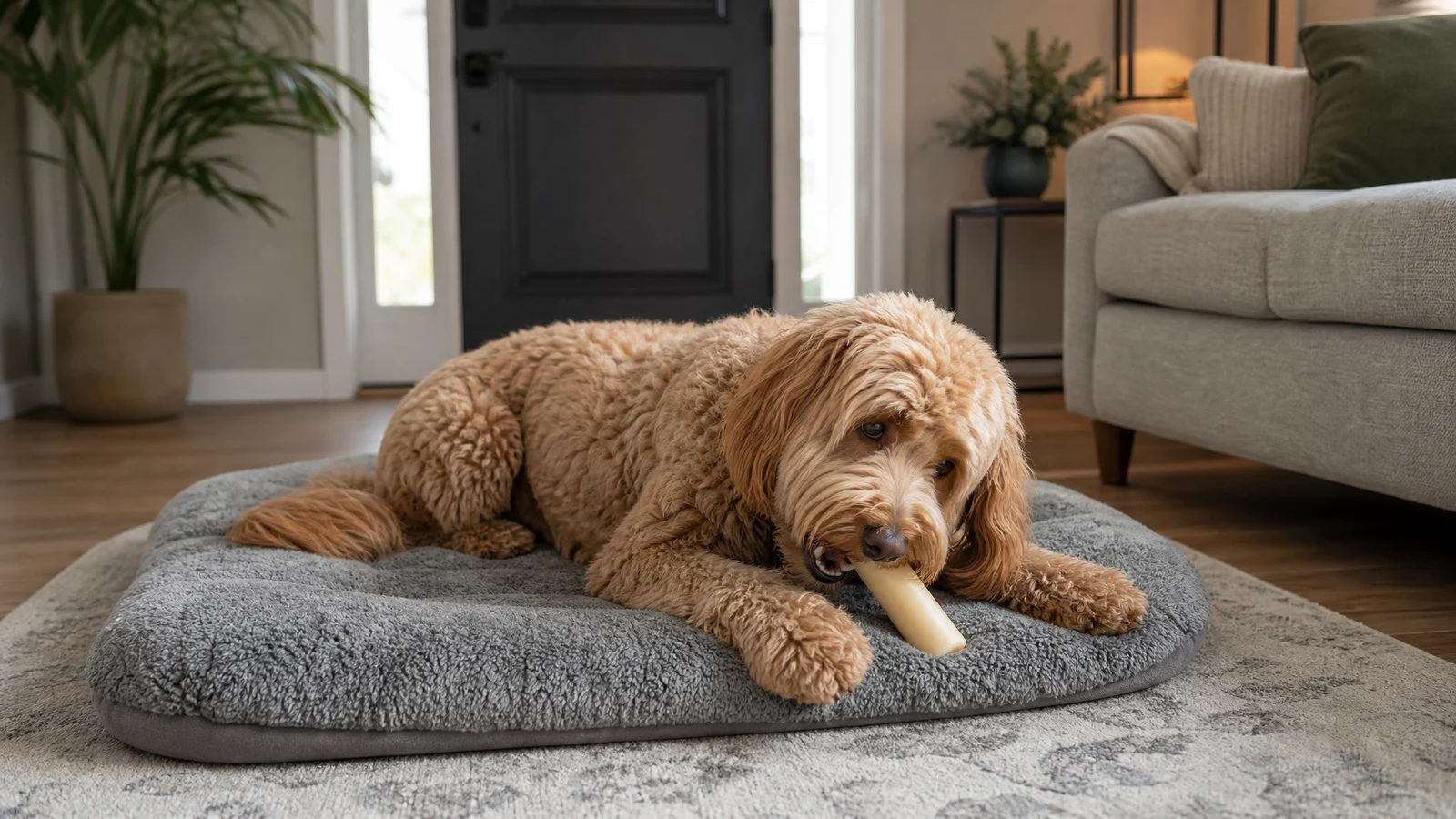 BehaviorShort Absences for a Devoted Australian Labradoodle
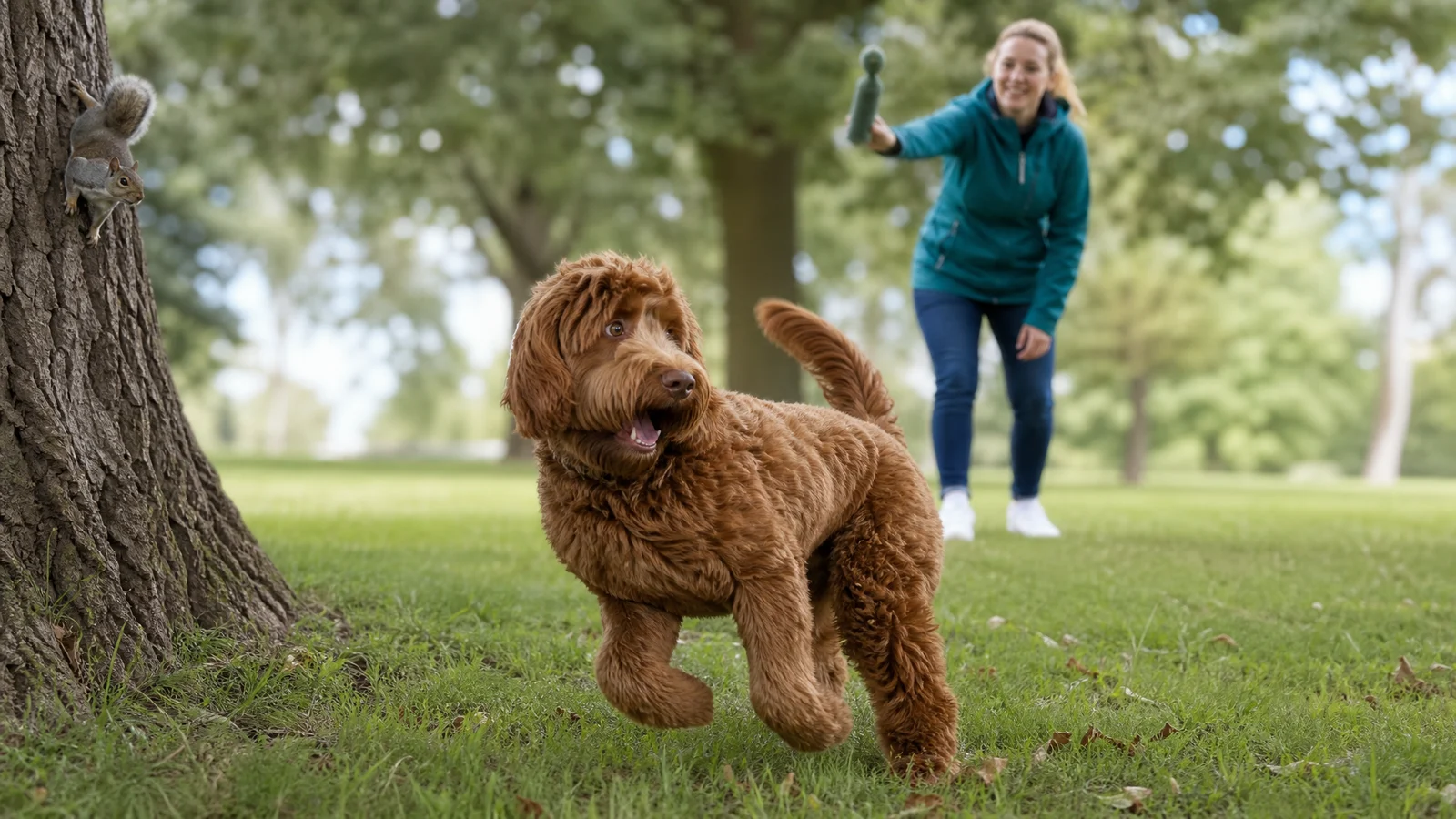 Training basicsAustralian Labradoodle Recall That Holds Up Near Squirrels
 Puppy trainingAustralian Labradoodle Adolescence: Patience Through the Teen Months