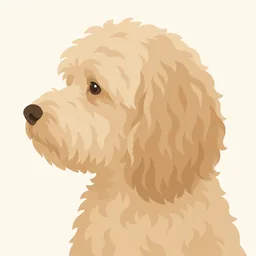
 Australian Labradoodle
11 Australian Labradoodle training topics
Every common Australian Labradoodle challenge, with first steps and guides to read.
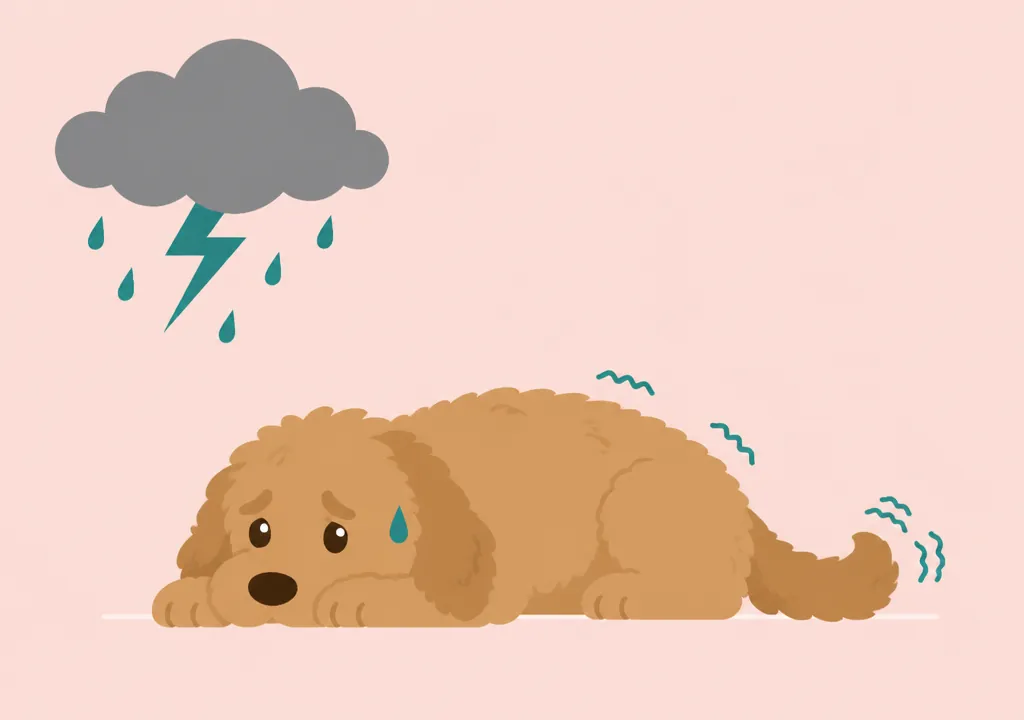
Worried by noises
Build calm confidence around bangs and storms.
Dragging a startled dog toward the noise, or soothing the fear with a long cuddle, turns a small scare into a big event. An Australian Labradoodle may inherit a soft streak from the Poodle and Cocker side.
The full guide covers bangs, storms and loud grooming tools, with steps that build confidence.
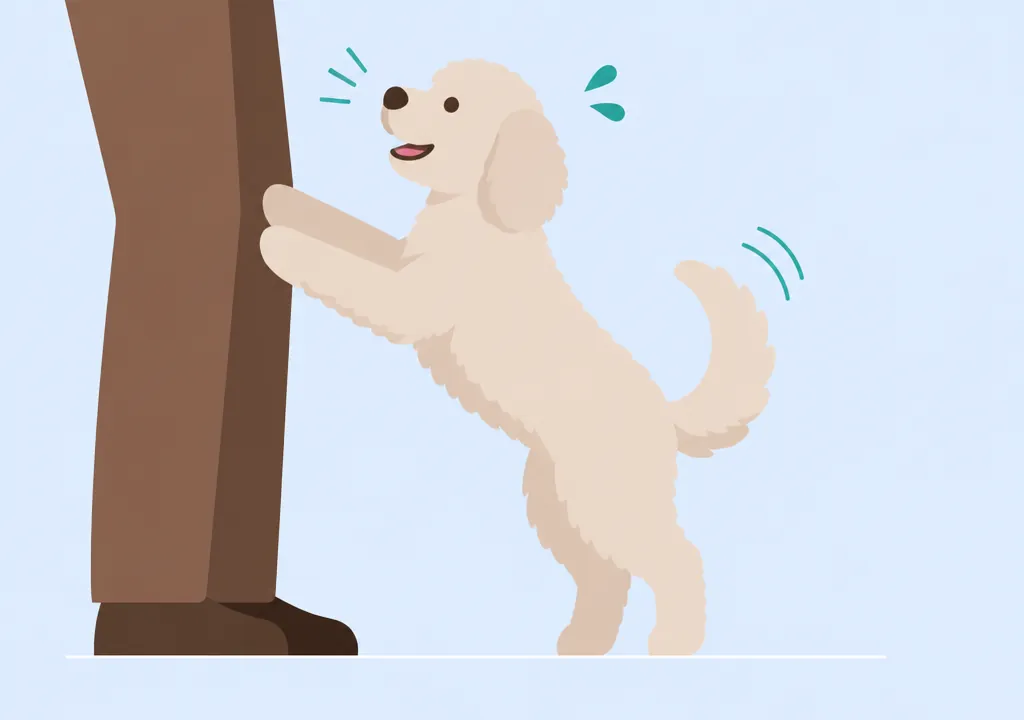
Jumping to say hello
A soft dog with big feelings at the door.
Ignoring the jumping has a hole in it for an Australian Labradoodle, because both Labrador and Poodle parents rate 5 of 5 for openness to strangers, and plain quiet cannot compete with the day's best event.
The full guide builds a four-paws-down hello, ending with a dog waiting on a mat.
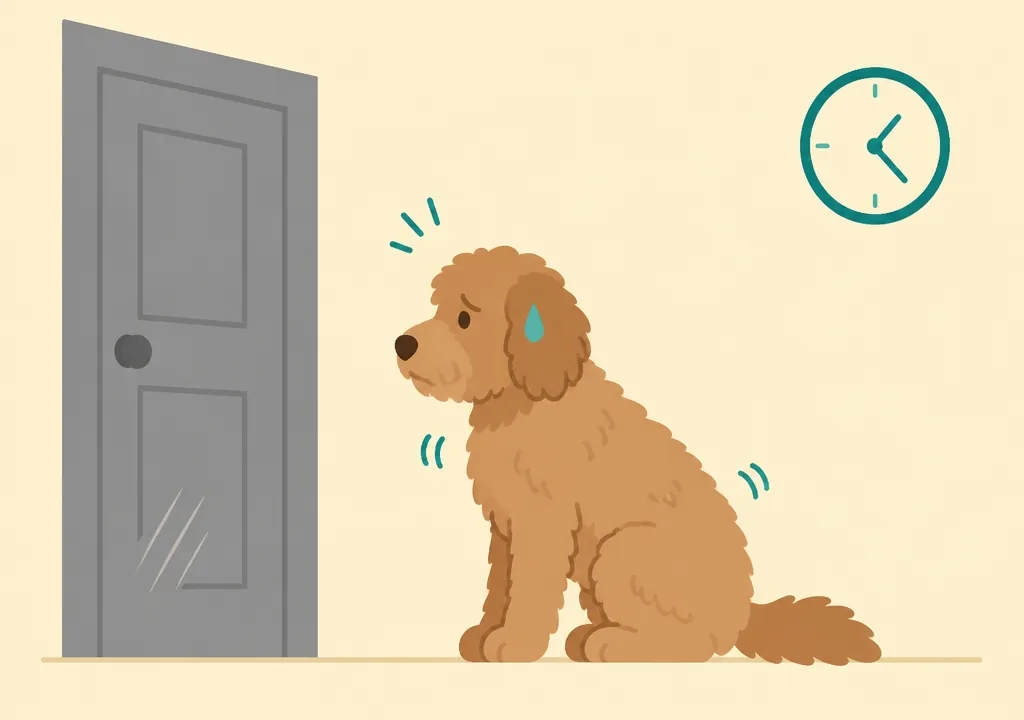
Time alone
Help a devoted dog enjoy short absences.
Walking out and letting the dog figure it out falls short for an Australian Labradoodle, because the Labrador side is described as devoted and happiest when included, and the Poodle side is people-oriented.
The full guide builds short absences in small steps, so your dog settles alone and greets you calmly.
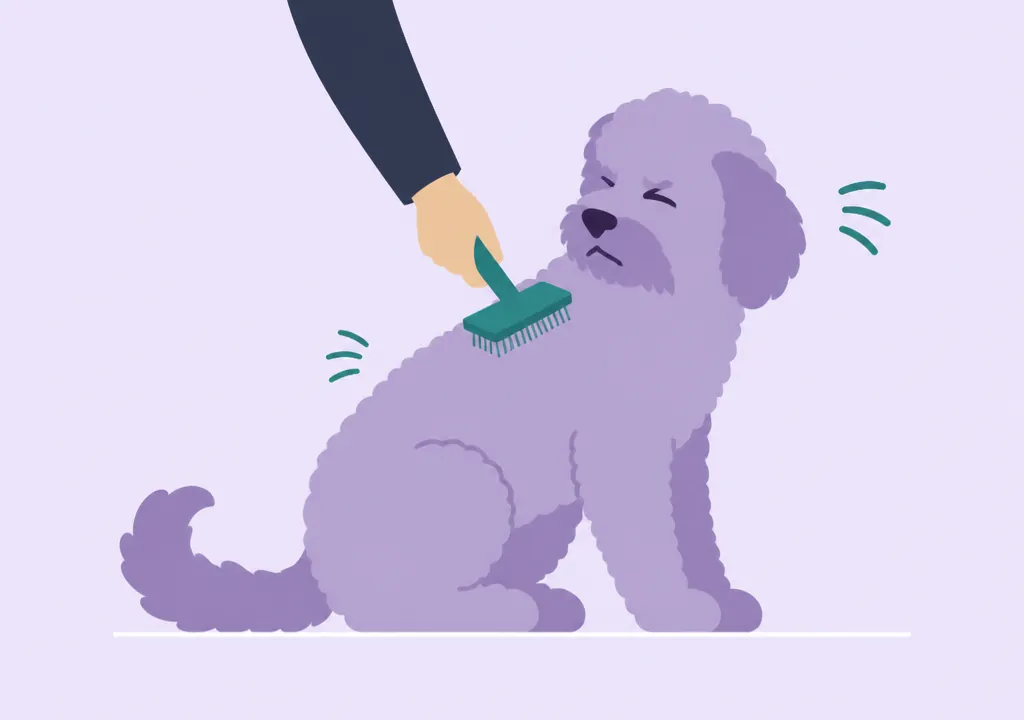
Grooming and mats
Make fleece and wool care calm and easy.
Dense, curly Poodle hair barely sheds, so loose hair stays in the coat and knots, with the ears, face and mustache going first. Add the playfulness of both parents, and the comb looks like a toy.
The full guide shows how to groom a wiggly Australian Labradoodle in tiny steps.
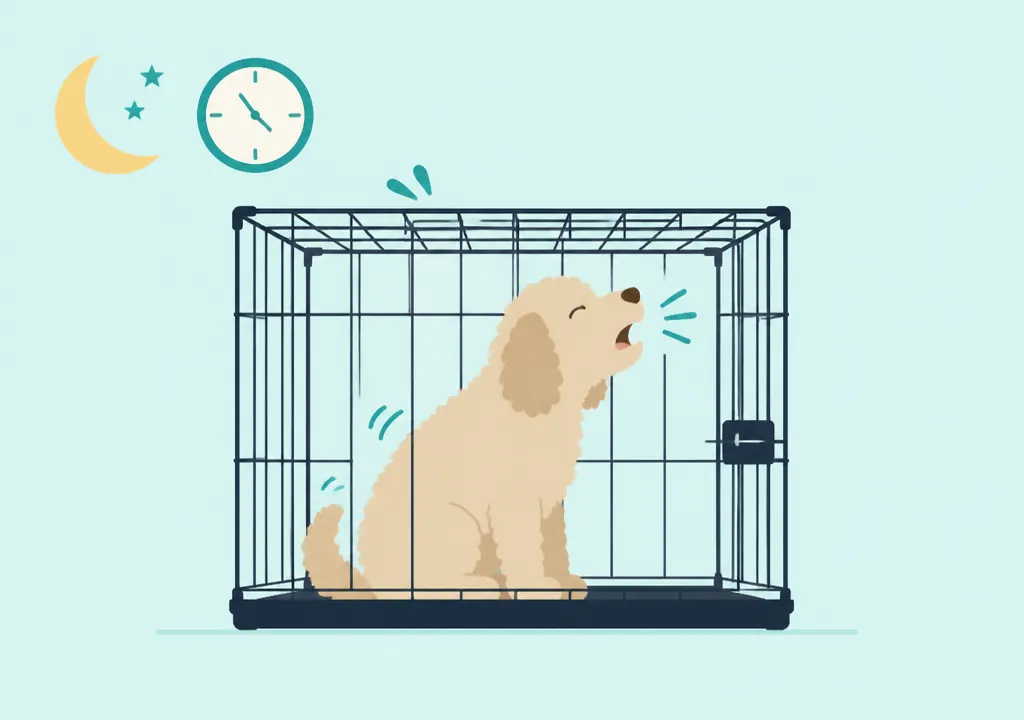
Crate and calm time
A crate that feels like a safe den.
Calm time is a skill you teach and pay for, in a crate or a living room with young children. Both parent breeds rate 5 of 5 for playfulness, so a sprinting child reads as an invitation.
The full guide covers calm play between an Australian Labradoodle and children, with rules.
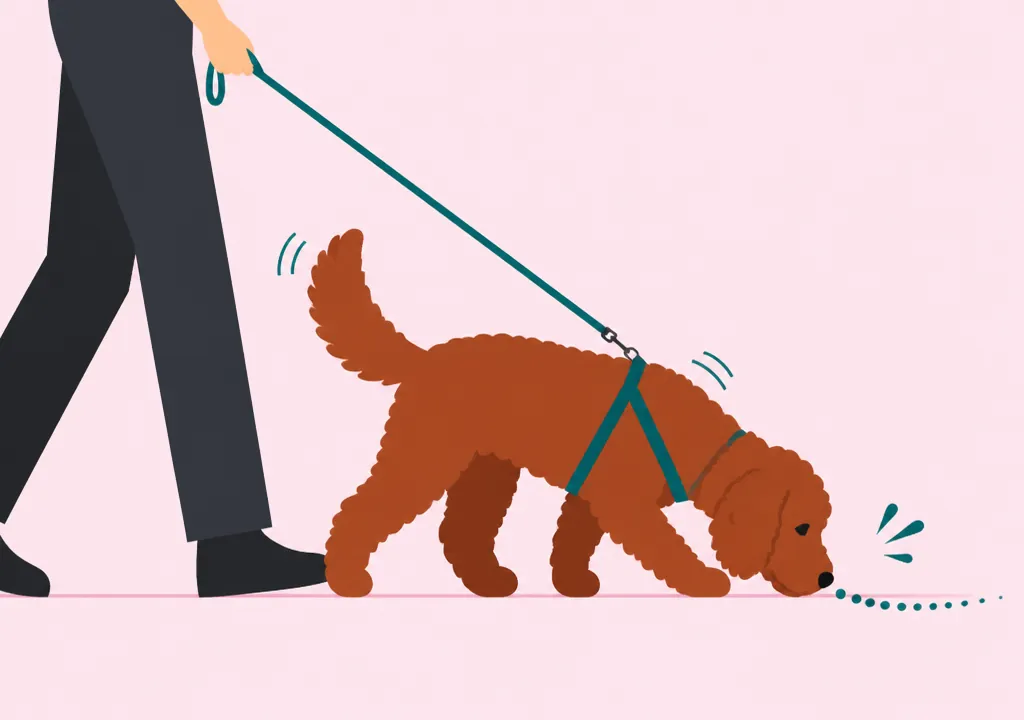
Nose down on walks
Walks that suit a curious doodle.
Walks with an Australian Labradoodle are often less about the nose than the people and dogs ahead. Both parent breeds rate 5 of 5 for openness to strangers, and that friendly intensity turns into pulling.
The full guide covers loose-leash walking for a puller, so a curious doodle still gets to sniff.
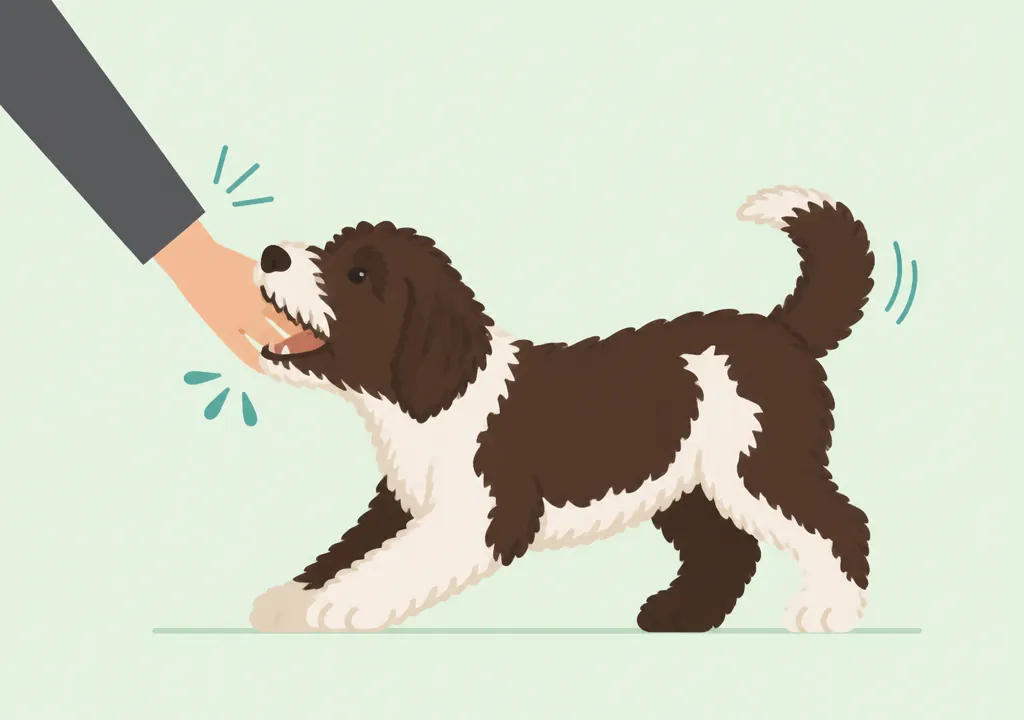
Puppy nipping
Gentle mouths from the very first week.
Needle teeth are one stop on a longer road. The Lab side is described as high-spirited with a desire to please, so a cross who inherits that picks up habits at speed, wanted or not.
The full guide follows the timeline from eight weeks to age two, needle teeth to park-deaf teenager.
Learning to settle
Teach a calm switch after play.
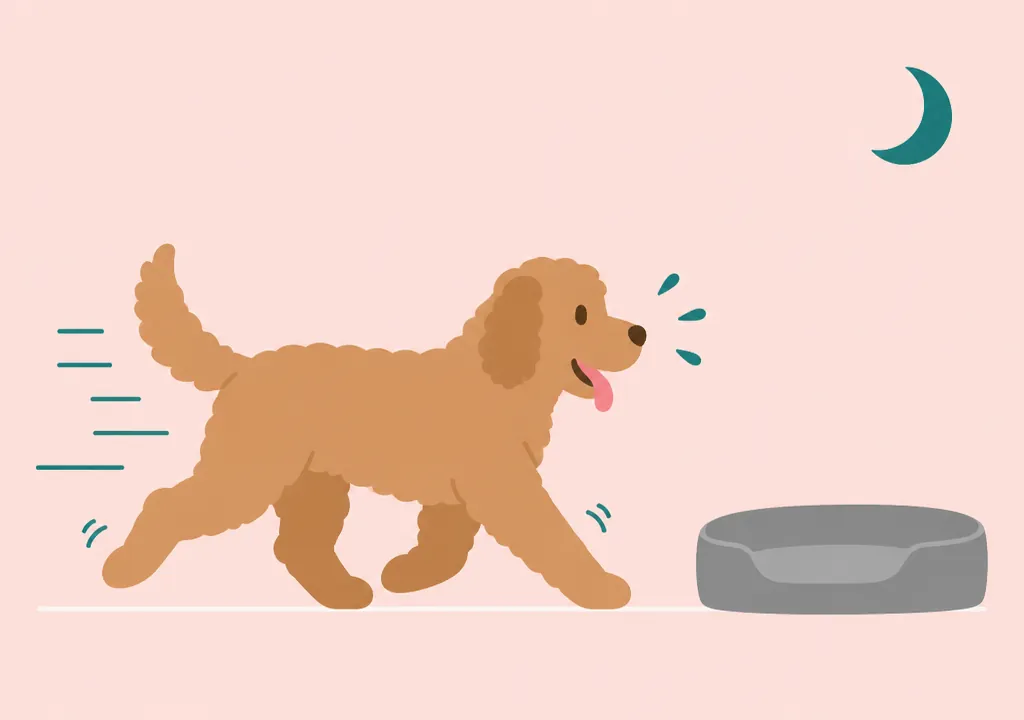
More exercise falls short for a dog built from two breeds made to stay keen and engaged. A longer walk often hands you a fitter Australian Labradoodle ready for round two. Rest is a taught skill.
The full guide teaches the off switch step by step, whatever size your dog lands on.
Coming when called
A recall that works near friends and squirrels.
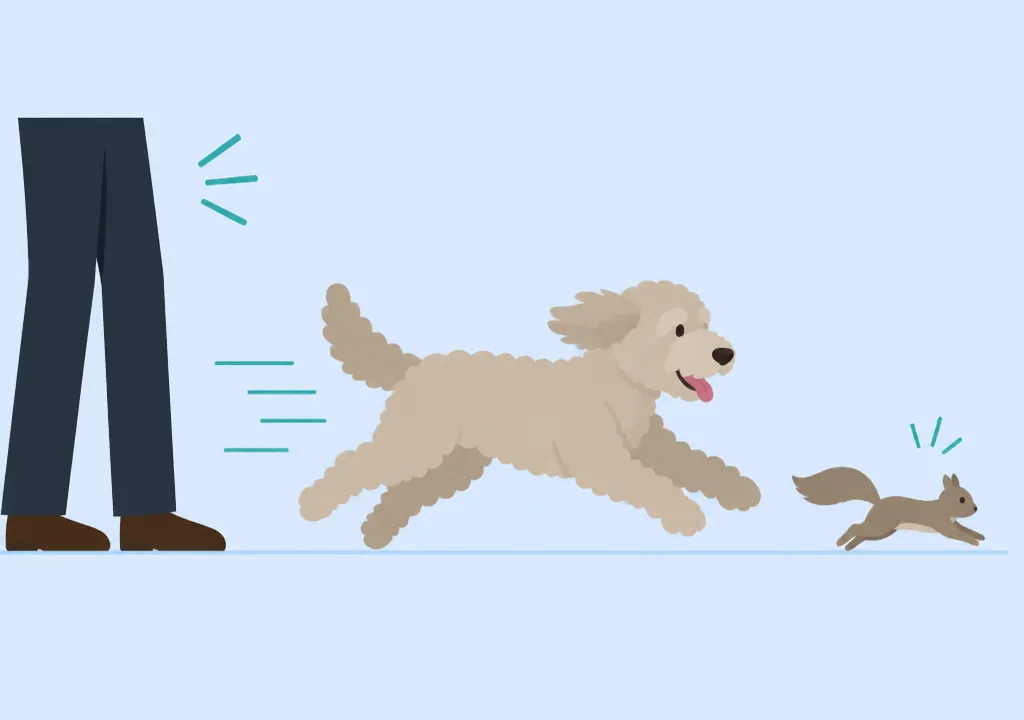
Standard recall advice assumes your dog already prefers your company. A friendly, curious Australian Labradoodle often finds people, dogs and squirrels better company, so coming back has to beat what waits out there.
The full guide builds a recall that holds near squirrels and friends, with rewards worth turning back for.
Shy with visitors
Help a sensitive dog meet new people.
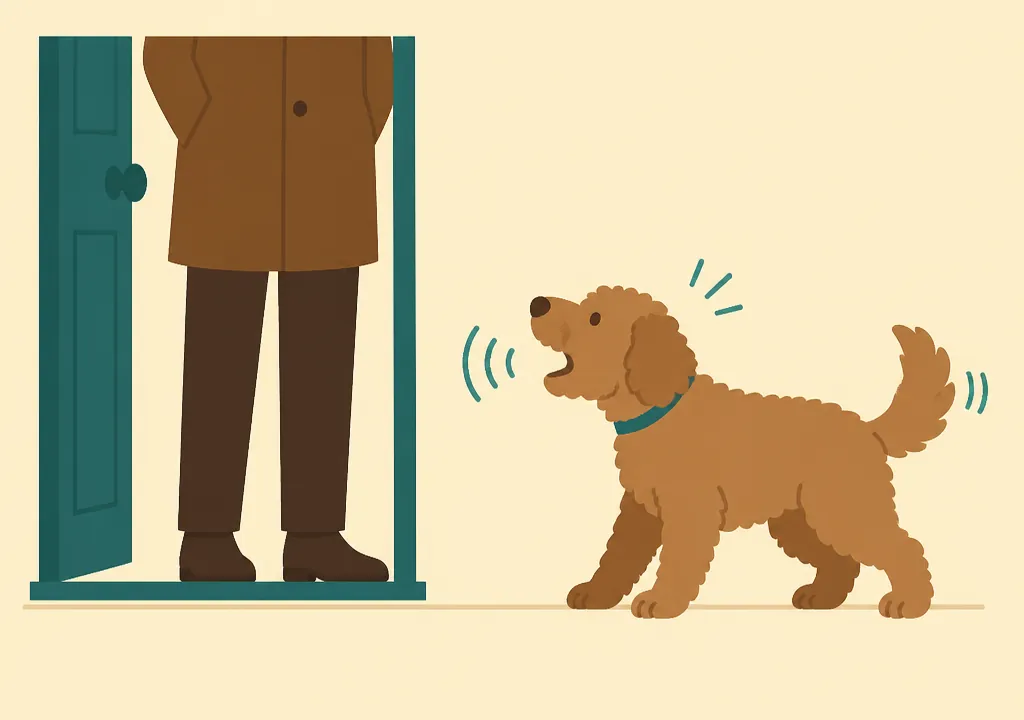
Shyness is rarely the problem when an Australian Labradoodle meets a visitor. More often the dog rushes in with too much speed. The parents rate well with children, strangers and dogs, yet a cross can inherit different combinations.
The full guide separates sociability from social skill, with safe, rewarded introductions.
The teenage months
Patience while a young doodle grows up.
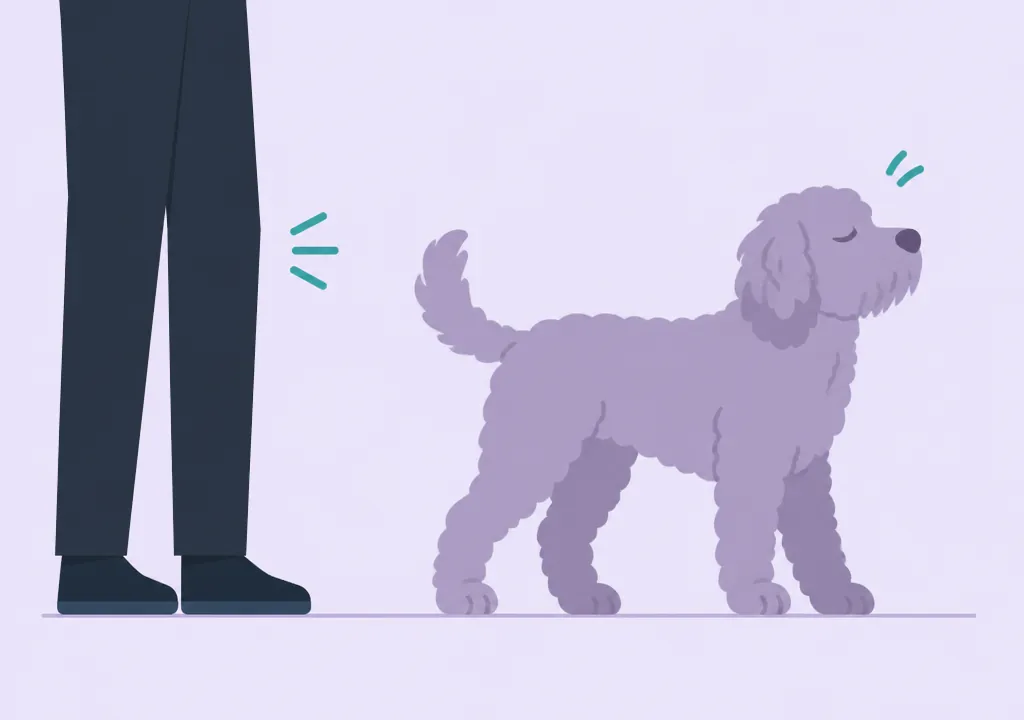
Teenage Australian Labradoodles often seem to forget skills they knew, because adolescence scrambles focus, not because training failed. Many are eager, social and playful, so every smell and stranger competes with you until about two years.
The full guide covers patience through the teen months, with practice that keeps skills reachable.